

Outsourcing Data Entry: Costs, Process and What to Look For
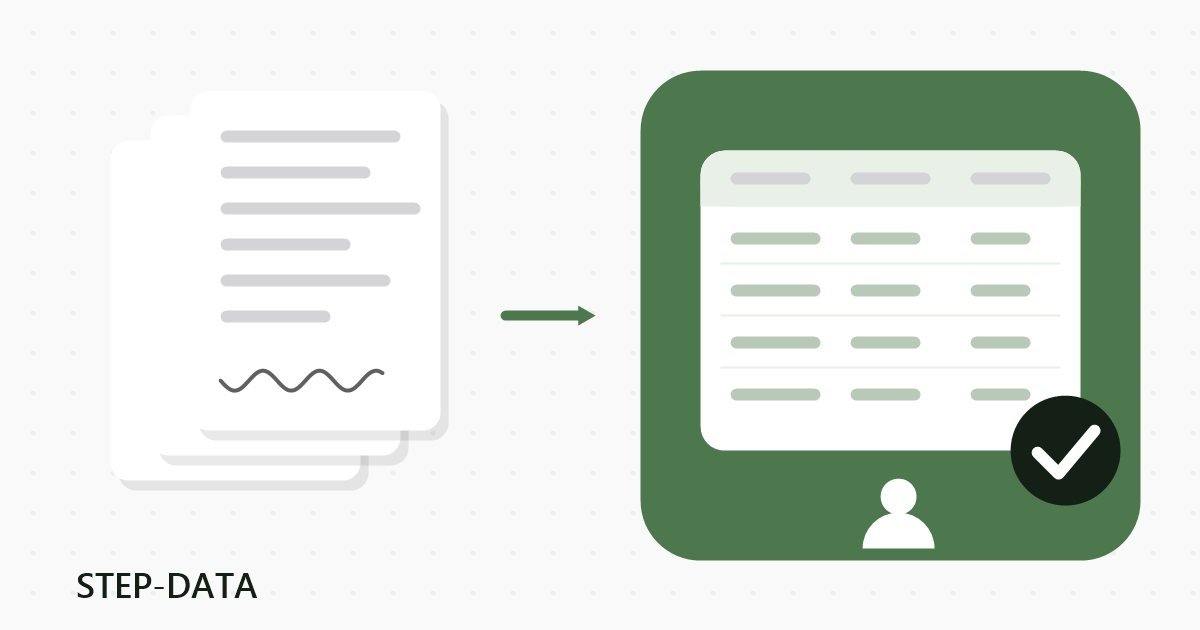
Anyone who types invoices, forms or product data into a system by hand knows the problem: the work matters, but it takes time away from the core business. Many companies therefore turn to AI and OCR – and find that the results still need to be checked. This is exactly where outsourcing data entry pays off.
This guide explains which data is suitable for outsourcing, how a typical collaboration works, what drives the costs and what to look out for regarding data protection.
What does outsourced data entry mean?
When you outsource data entry, an external service provider captures, checks and maintains your data. The data arrives as scans, PDFs, emails, photos or exports from another system. The provider transfers it into the format you need – your software, an Excel sheet or a database – and checks it for completeness and plausibility.
The difference between typing and capturing matters. Good data entry is not just copying characters. It means spotting errors, clarifying uncertainties and preparing data so that your team can work with it right away.
AI automates – people check
Modern data entry combines both: software reads standard cases automatically, and people handle everything that requires human judgment. The process stays fast without sacrificing quality.
Which data is suitable for outsourcing?
In principle, any data entry task that recurs, follows clear rules and ties up internal time is a good fit. Typical examples:
- Receipts and invoices: incoming invoices, receipts and delivery notes as the basis for bookkeeping support
- Forms and applications: customer forms, orders and registrations, including handwritten ones
- Product data: descriptions, prices, dimensions and attributes for online shops and inventory systems
- Customer and contact data: CRM maintenance, removing duplicates, adding missing details
- Archives: files, contracts and documents that need to be digitized and made searchable
What matters is not the industry but the type of task. Whether e-commerce, wholesale, property management or insurance: wherever many documents arrive in different forms, data entry work builds up.
Where AI and OCR reach their limits
Text recognition (OCR) and AI tools are fast and reliable with clean, standardized documents. In everyday business, however, documents are rarely clean. Typical problem cases:
- Handwriting: notes, signatures, amounts corrected by hand
- Poor originals: skewed scans, phone photos, faxes, faded print
- Inconsistent layouts: every supplier designs its invoices differently
- Missing or contradictory information: the total does not match the line items, an invoice number is missing
- Context knowledge: which cost center is meant? Is this a credit note or an invoice?
In these cases the software delivers a result – but not always the right one. Errors are often noticed late, for example at month-end closing or when a customer asks a question. A human check costs little at this point and prevents expensive corrections later.
When people should capture data instead of AI
There is a second reason not to run everything through AI: confidentiality. Personnel files, contracts, financial and customer data often should not be uploaded to external AI services. In that case, data entry by trained staff is the secure alternative.
How a collaboration works
The process is similar for most projects. The clearer the first steps, the sooner data entry runs smoothly.
- Request: you describe what data you have, in what volume and in which format.
- Alignment: together you define the target format, entry rules and special cases – for example, what happens when information is missing.
- Sample documents: typical documents are used to check that the rules work in practice.
- Ongoing operation: data is captured, checked and delivered at the agreed frequency.
- Questions and clarification: unclear cases are not guessed but clarified – with you, your suppliers or your colleagues.
This last point is what sets human data entry apart from pure automation: asking instead of guessing leads to more reliable data.
What drives the costs
There is no flat price for “data entry”. Costs depend mainly on these factors:
- Volume: steady, predictable volumes reduce effort; strong fluctuations and rush jobs increase it.
- Originals: clean scans and digital PDFs are faster to process than handwriting, photos or poor copies.
- Structure: consistent layouts cost less than many different formats.
- Depth of checks: a simple completeness check costs less than matching against other data and follow-up questions.
- Target system: delivery as an Excel or CSV file is simpler than entering data directly into your software.
Common pricing models are per document, per record or by time spent. So do not compare offers only by unit price, but also by what errors and rework would cost you internally.
Data protection and confidentiality
Data entry often involves personal or business-critical data passing through external hands. The GDPR applies, and you should know exactly how the provider handles your data:
- Who has access to the data, and how is that access restricted?
- Where and how is the data stored and transferred?
- Is data passed on to external AI services – or explicitly not?
- How is data deleted or returned after the project ends?
- What contractual arrangements on data protection are in place?
A reliable provider answers these questions clearly and in writing before any data is shared.
Checklist: what to look for when choosing a provider
- Does the provider understand your documents and your target system – or only “data entry in general”?
- Are there clear rules for special cases and questions?
- How is quality checked, and who corrects errors?
- How are AI and OCR used – and where do people check?
- Are data protection and confidentiality agreed in writing?
- Is there a dedicated contact person for your project?
Frequently asked questions
Is outsourcing worth it for small volumes?
It pays off above all when data entry recurs regularly and ties up internal time that is missing elsewhere. What matters is less the absolute volume than the effort your team spends on it today.
Does AI fully replace manual data entry?
No. AI handles standard cases very well. With handwriting, poor originals, inconsistent formats and confidential data, human checks remain necessary.
In what format do I receive the data?
You decide: for example as an Excel or CSV file, as an import file for your software or entered directly into your system.
What happens with incomplete or illegible documents?
They are flagged and clarified instead of values being guessed. The exact procedure is agreed together at the start.
Conclusion
Outsourcing data entry is worthwhile if you want to save time without compromising on quality and data protection. The best solution combines automation for standard cases with human checks for everything that requires judgment.
STEP-DATA takes care of exactly this part: with 7+ years of experience and 100% confidentiality. Learn more about our data entry services – or send us a request.